OLIVIER BERTRAND · EXPERT ON RIK WOUTERS
1908 — 1914

Works

A body of work
concentrated in time
The bulk of Rik Wouters’s pictorial output was concentrated within a remarkably short span: from 1907 to 1915. In a period of nine years, the artist produced the entire body of paintings on which his reputation rests, before the war brutally interrupted his trajectory.
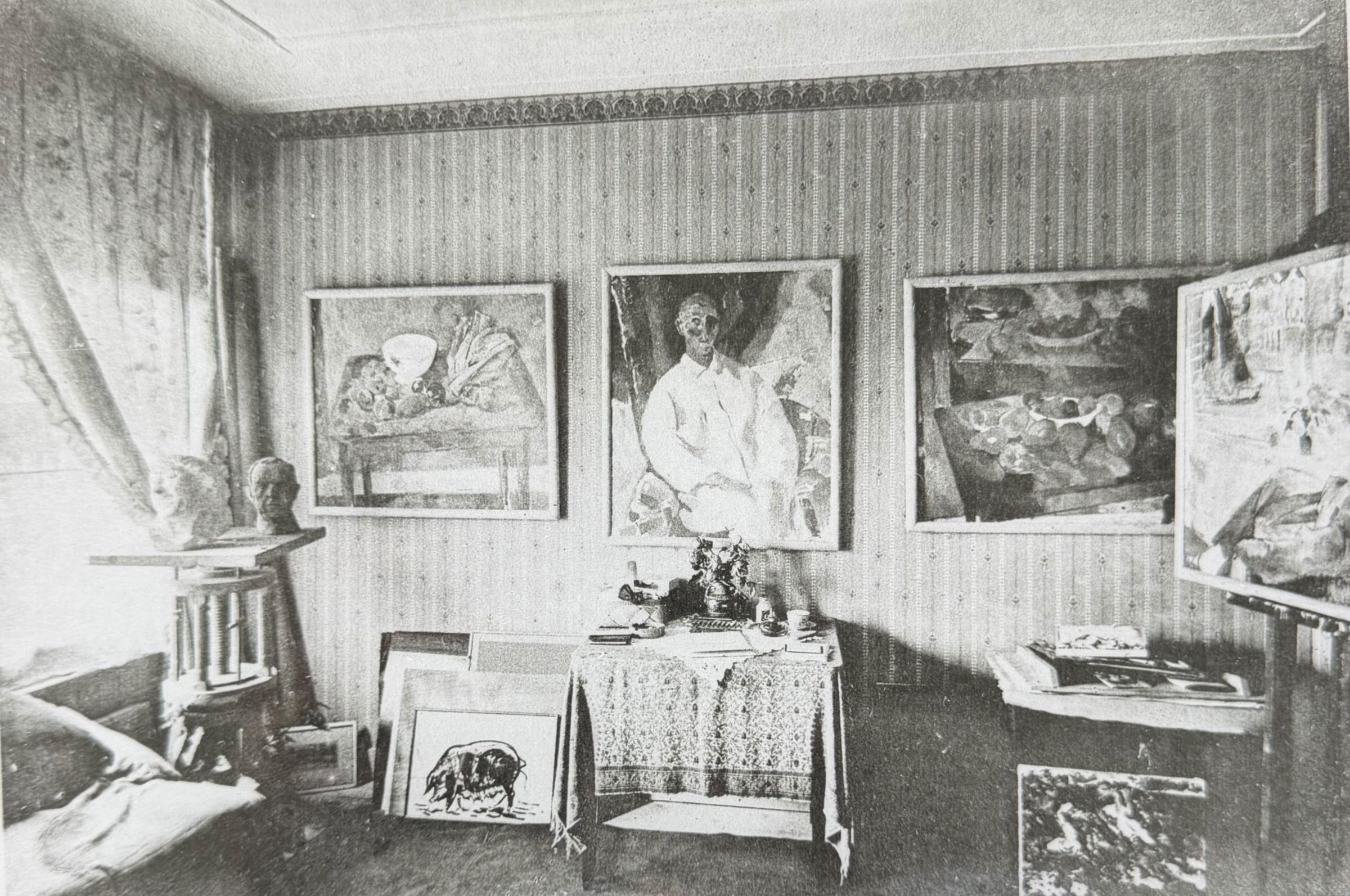
Interior of the Wouters' Amsterdam apartment hung with paintings and plaster busts
The Amsterdam apartment of Rik and Nel Wouters, 1915. Canvases and plasters hung side by side.
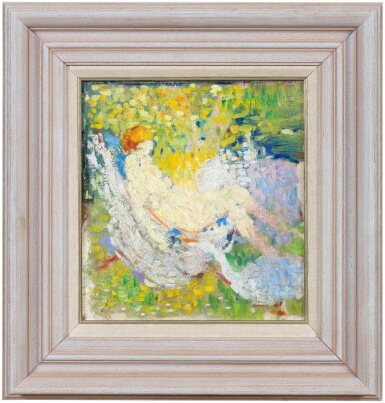
Le Paradou: a red-haired nude reclining in a hammock in a sunlit garden, in a pale wooden frame
Le Paradou, 1905–1906. Oil on canvas
1905 — 1906

Le Paradou: the Birth of Belgian Fauvism

Le Paradou, painted by Rik Wouters in 1905–1906, is considered the first painting by a Belgian artist to belong to Fauvism. Painted in pure colours, this small canvas is almost exactly contemporary with the birth of French Fauvism, which emerged in the summer of 1905 when Matisse and Derain worked together in Collioure.

ENSOR AND CÉZANNE

The Decisive Encounter: Simon Lévy and the Discovery of Cézanne

While Ensor’s influence made itself felt very early in Wouters’s painting — it was above all Ensor’s gifts as a colourist that he admired — it was another, lesser-known painter who gave Wouters an even more decisive revelation. Simon Lévy, a French artist from Strasbourg who had come to Antwerp to study the old masters, introduced Wouters to Cézanne. Lévy spoke to him about Cézanne at length and lent him books illustrated with black-and-white photographs — it was in this way, through hearsay and the printed image, that Wouters became acquainted with a body of work he would not actually see in person until the end of April 1912, during a stay in Paris.

The relationship between the two men continued through a steady correspondence, written for the most part in French — a choice that may seem surprising for this Flemish artist, but one that reflects the importance he placed on these exchanges with Lévy, who remained based in Paris. These letters are today an essential source for understanding Wouters’s deepest aspirations.

Without this friendship and this transmission, it is fair to say that Wouters might never have become the towering painter we know today.

A SELECTION

Selected Works

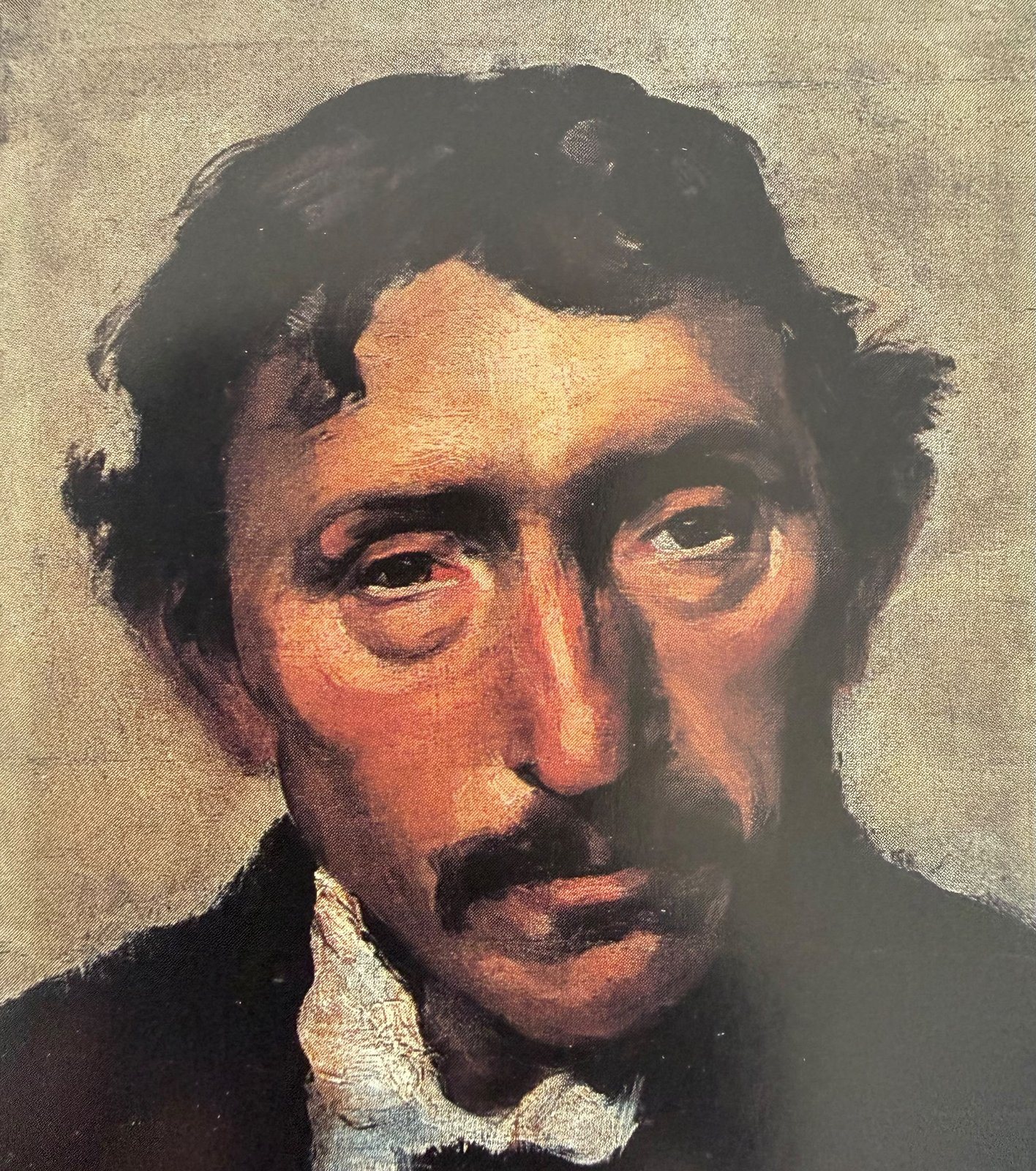
Close portrait of a man with dark hair and a moustache
PAINTING · 1902
Kobe de Malines
Museums of fine arts of Belgium. Gift of Olivier Bertrand
Le Paradou: a red-haired nude reclining in a hammock in a sunlit garden, in a pale wooden frame
PAINTING · 1905 — 1906
Le Paradou
Considered the first Belgian Fauvist painting. Oil on canvas
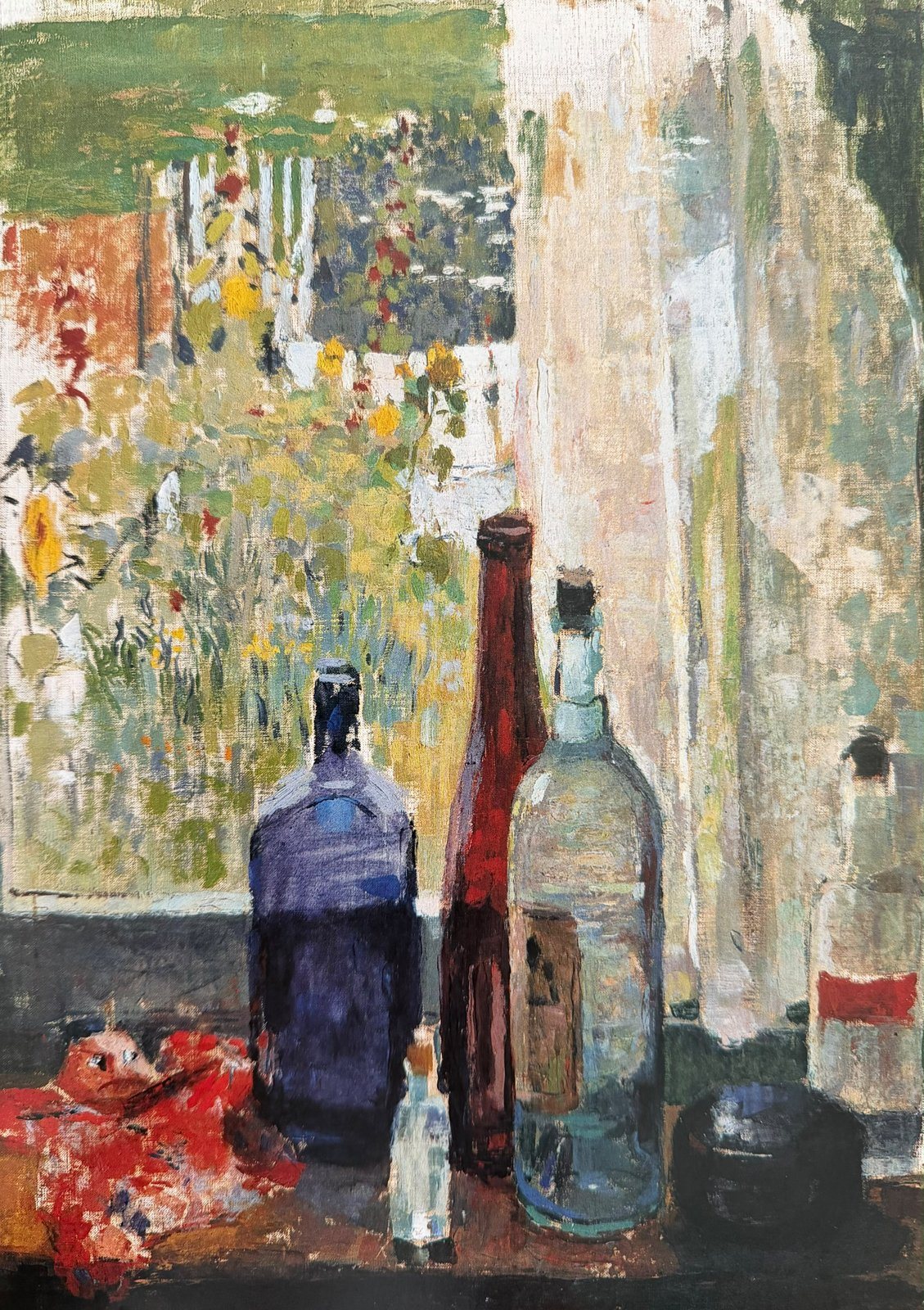
Still life of blue, red and clear bottles on a windowsill before a sunlit garden
PAINTING · 1911
Coin de fenêtre sur jardin
Oil on canvas
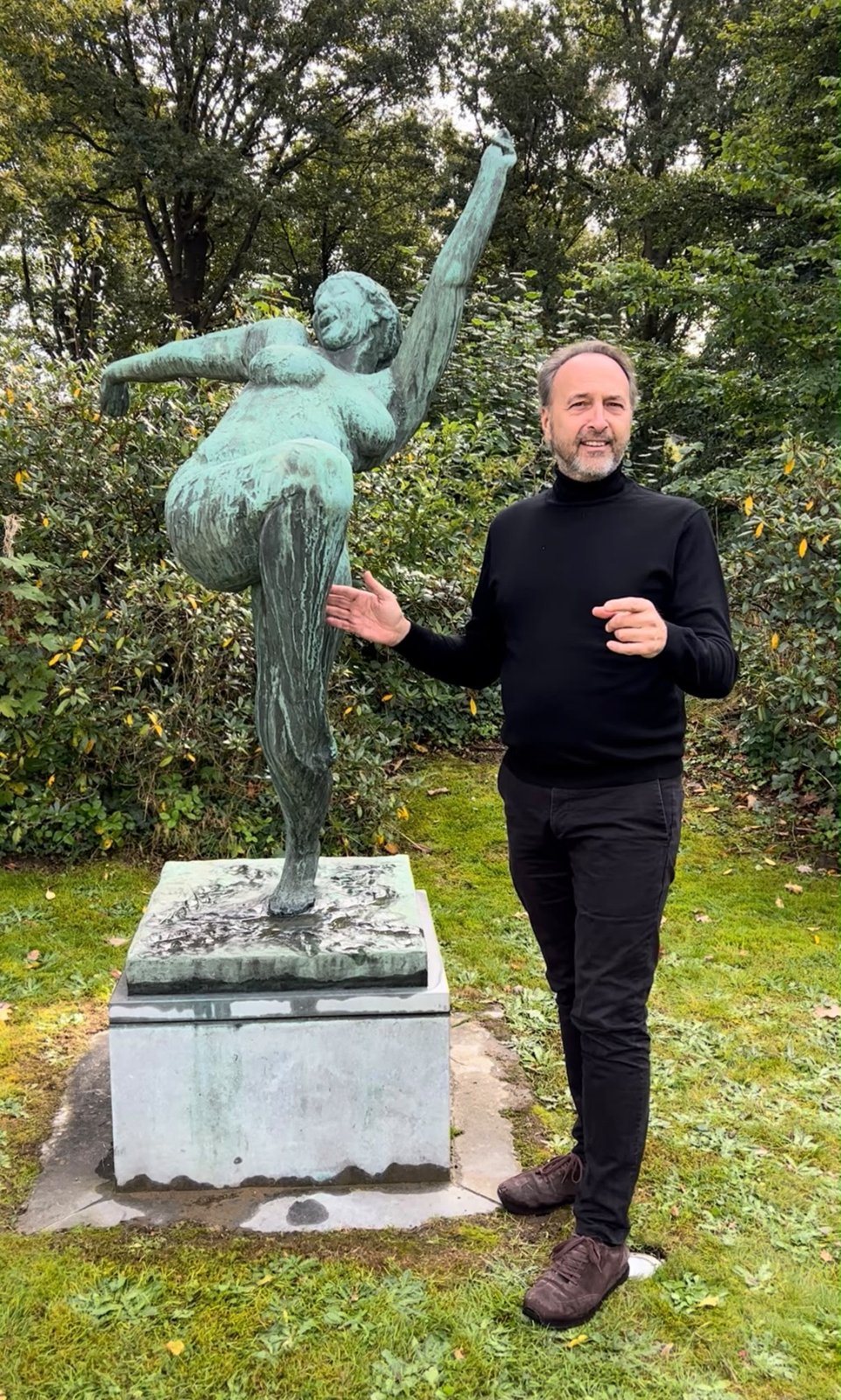
Bronze sculpture of a dancing woman, one leg raised, with Olivier Bertrand standing beside it
SCULPTURE · 1912
La vierge folle
Bronze, cast January 1912. Olivier Bertrand managed the sale for a record price.
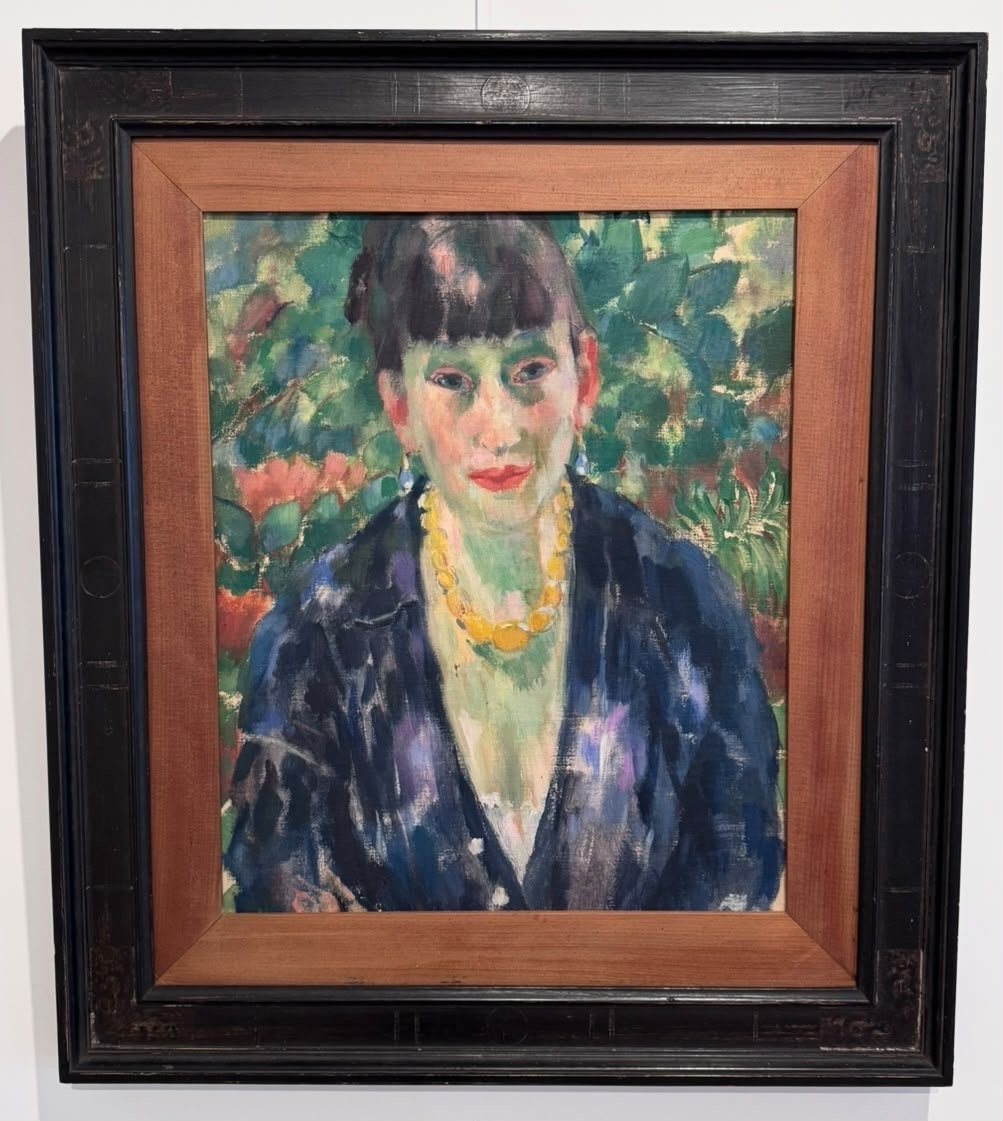
Portrait of a woman with a fringe and a yellow bead necklace against green foliage
PAINTING · 1912
Reflections
Oil on canvas
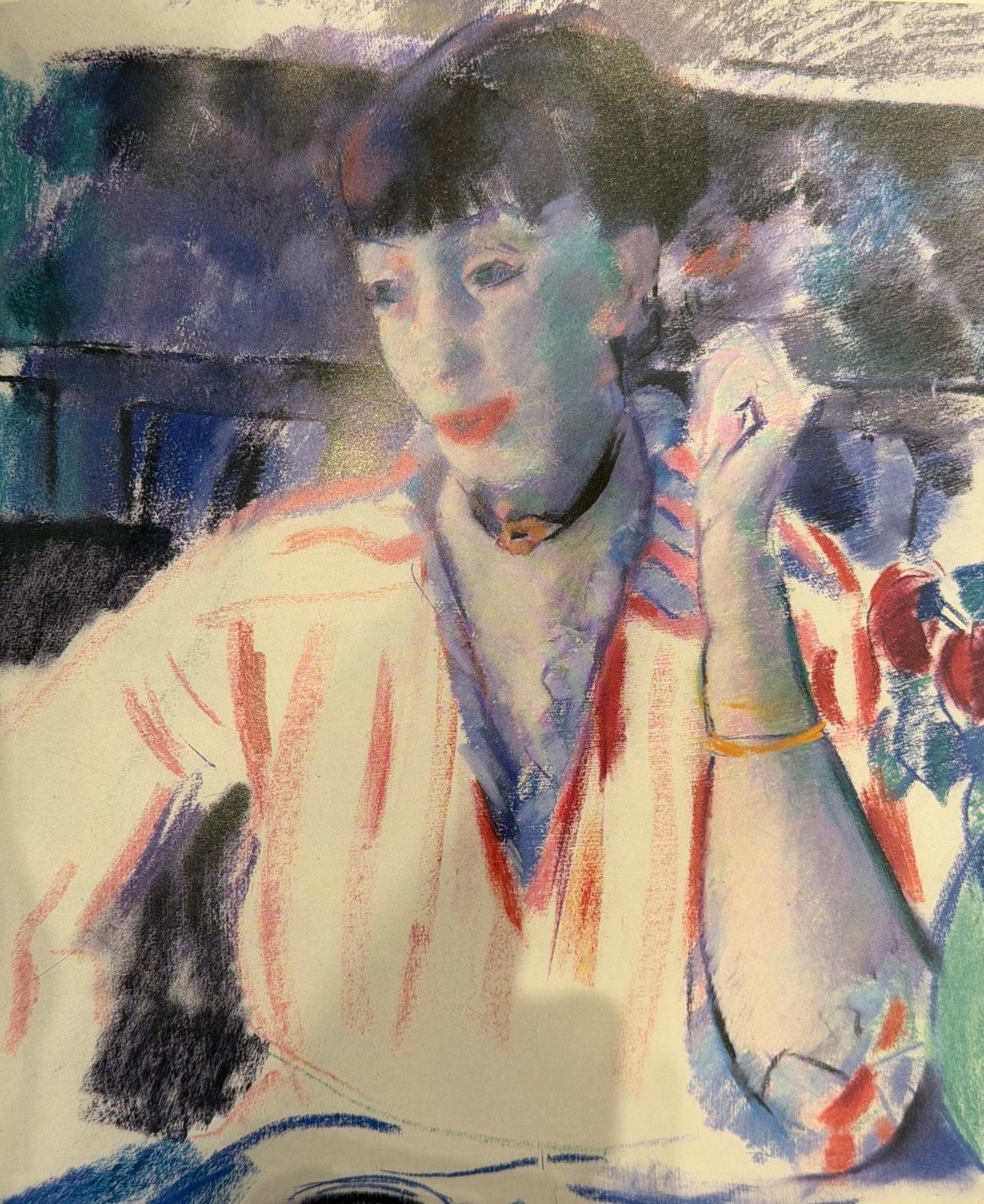
Pastel portrait of a dark-haired woman in a striped blouse, her chin resting on her hand
PAINTING · 1914
Woman with striped blouse
Pastel
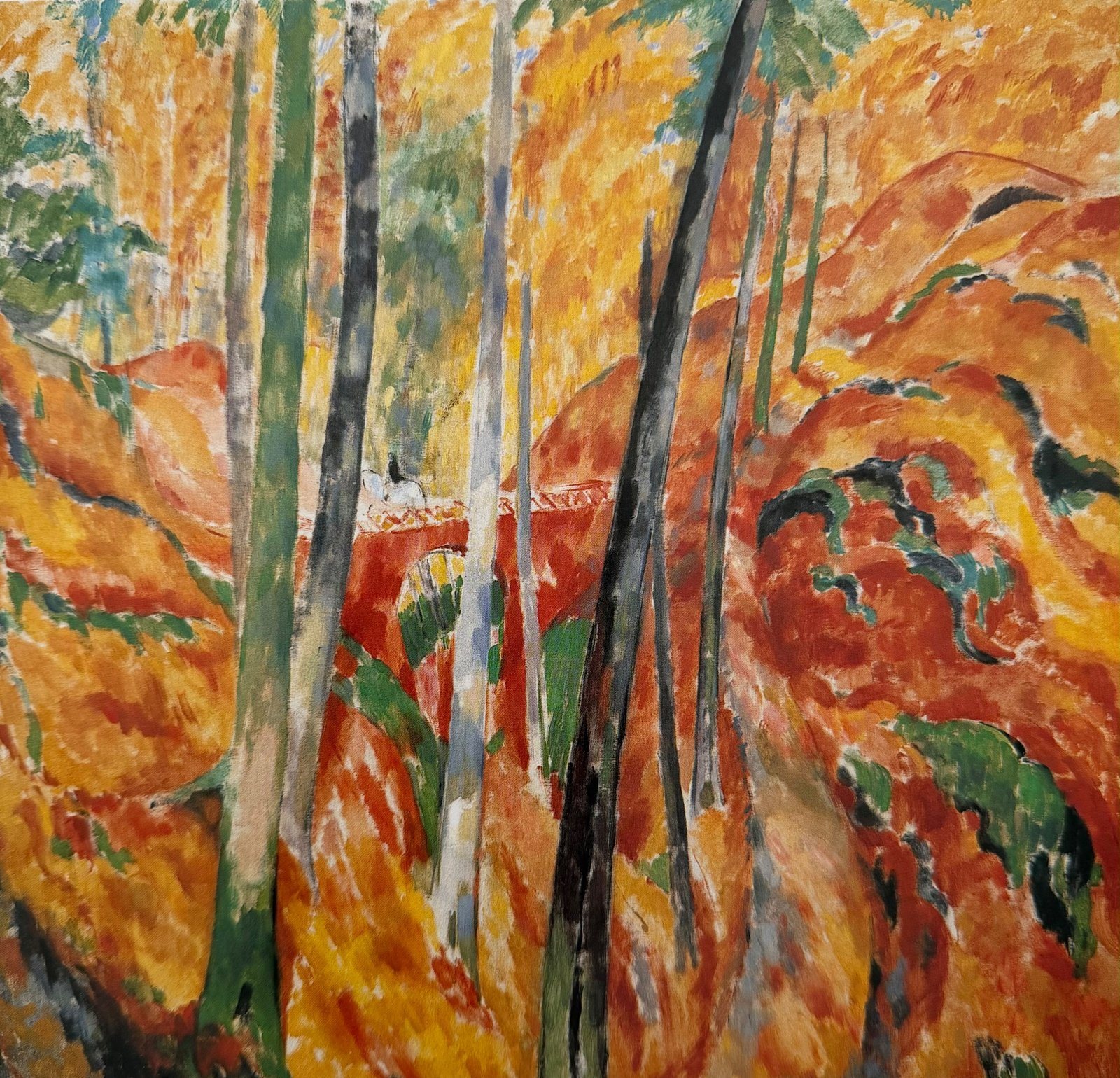
Forest in orange and red autumn colours, with slender trunks and a red viaduct
PAINTING · 1913
Le Ravin
Oil on canvas
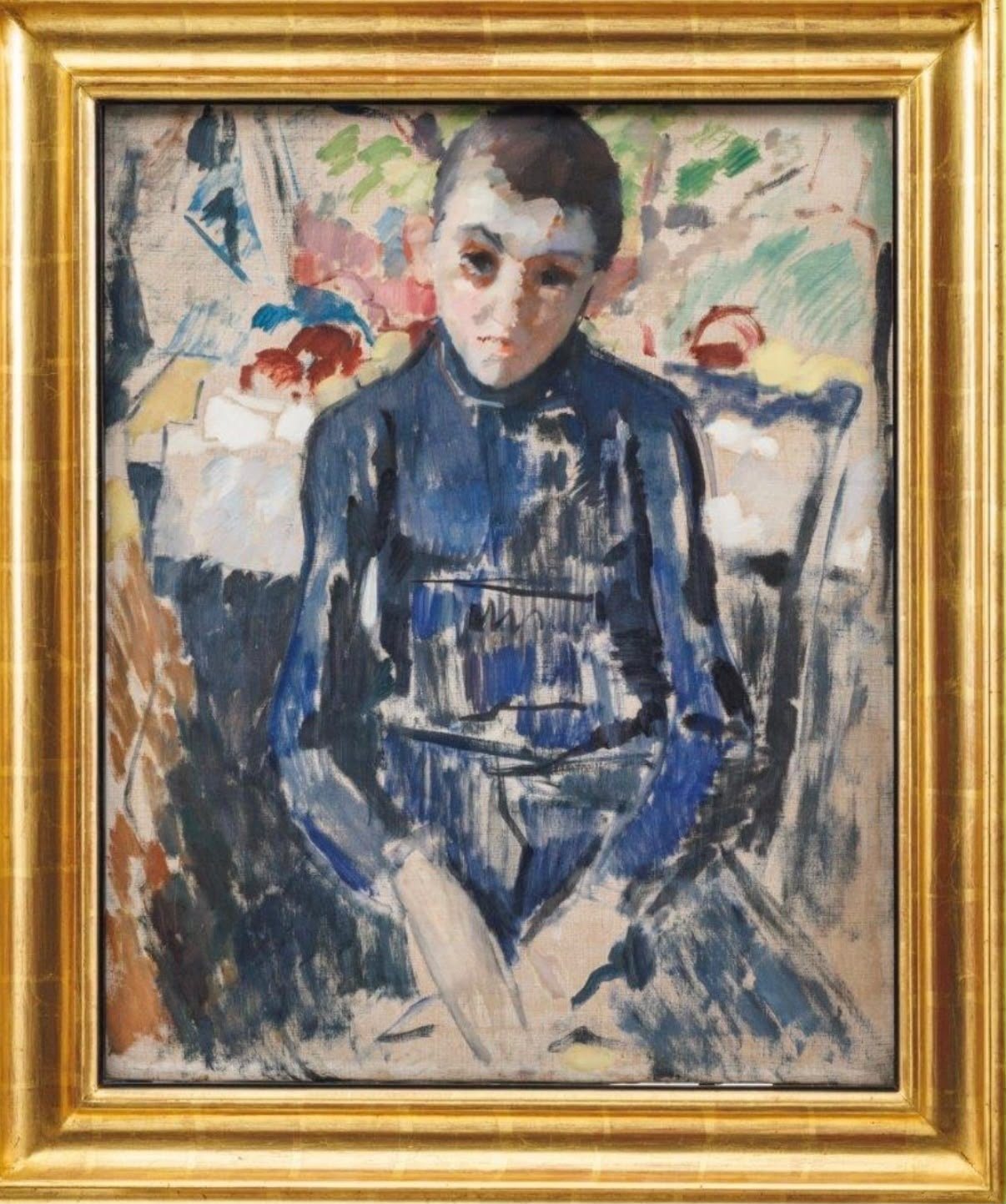
A child in a blue garment seated before a table with flowers
PAINTING · 1913
The young boy
Oil on canvas
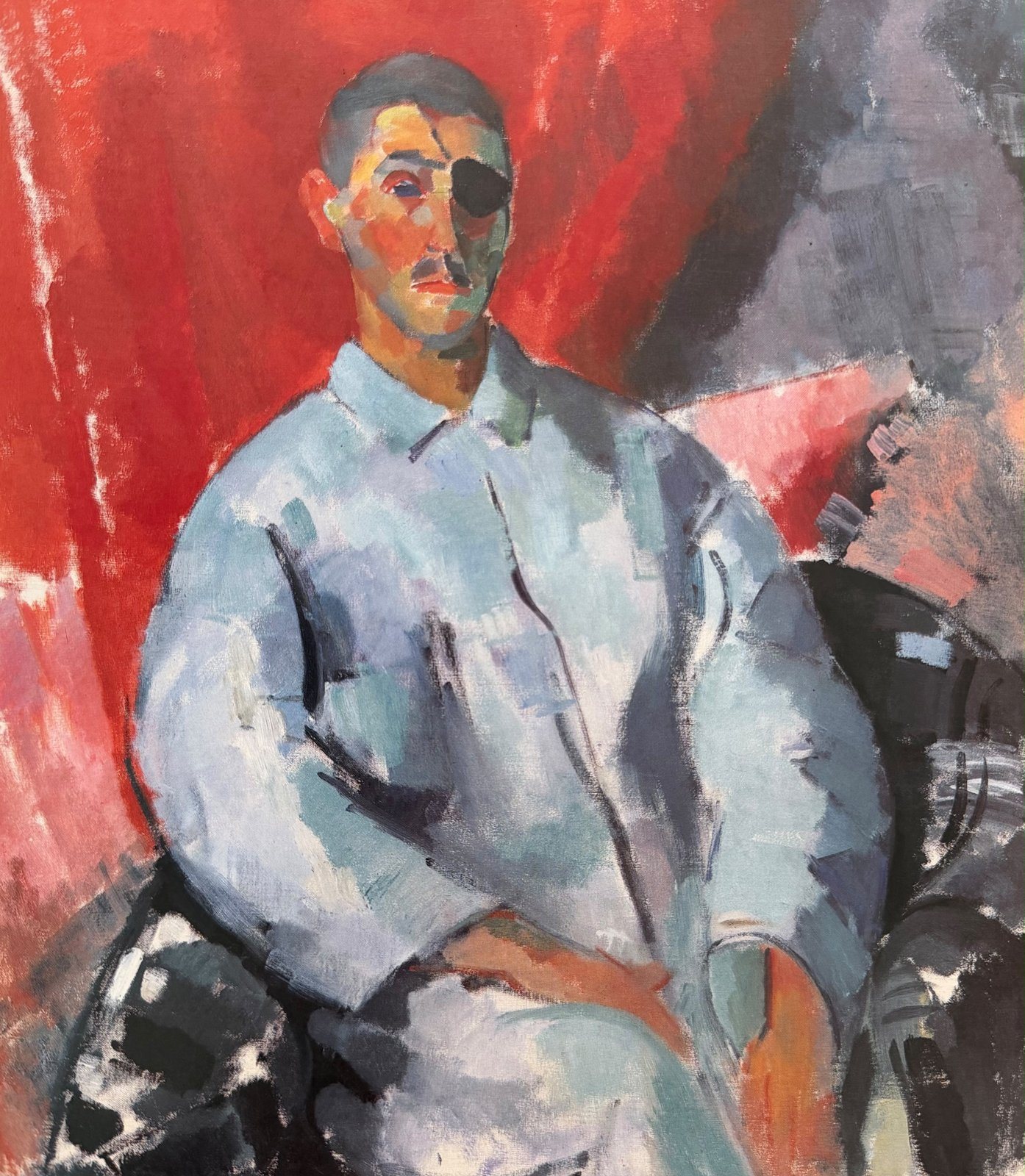
Self-portrait of the artist seated in a pale shirt, wearing a black eye-patch, against a red background
PAINTING · 1915
Self-Portrait with Black Eye-Patch
Oil on canvas · Museum of Fine Arts, Antwerp
1911 — 1916

Exhibitions and Critical Reception

1911
LA LIBRE ESTHÉTIQUE

Wouters continued during these years to exhibit his sculptures, consistently well received by critics, before showing his paintings for the first time: this took place in the spring of 1911, at the salon of La Libre Esthétique, where he presented a portrait of Nel alongside his sculpted works. He had already been working for several years on the work of his life, the great sculpture The Mad Maiden (La Vierge Folle), completed and cast in bronze in January 1912.

1912
GALERIE GEORGES GIROUX

Its presentation, in March of that same year, at the inaugural exhibition of the Galerie Georges Giroux, caused a great stir. Success followed for both his sculptures and his paintings — including The Mushrooms and Portrait of Nel — to the point that Giroux offered him a contract, a first between an artist and a Belgian gallery. The most important aspect of this contract was Wouters’s access to a supplier of materials. The number of paintings exploded from that point on, reaching its peak in 1913: within a few short years, Wouters had fully absorbed the art of his two masters, Ensor and Cézanne.

1912 — 1913
PARIS

Giroux lent him his Paris apartment, and the discovery of the works of Cézanne and Renoir convinced him he was on the right path. Masterpieces accumulated: Birthday Flowers, Homage to Cézanne, Reflections, The Education, The Red Curtains…

1914
BOITSFORT

1914 would be the year he moved into a house with a proper studio overlooking the pond at Boitsfort. This marked a final body of masterpieces, demonstrating a complete assimilation of Cézanne in an entirely personal language: The Flute Player, Woman before the Mirror, Window Open onto Boitsfort, The Masons…

His first solo exhibition, in February 1914 at Giroux’s gallery, was a triumph — but a short-lived joy, as his mobilization followed as early as August 1914. Wouters still had much to say; he would likely have followed a more expressionist path. We will never know.

1915
RIJKSMUSEUM

Interned in the Netherlands and later settled in Amsterdam, where friends from the Rijksmuseum provided him with lodging and material support, Wouters experienced, despite illness and exile, a final crowning of his recognition: in the autumn of 1915, the print room of the Rijksmuseum exhibited a series of his works on paper — his very first museum exhibition.

1916
STEDELIJK MUSEUM

A few months later, in early 1916, the Stedelijk Museum devoted a major retrospective to him, bringing together paintings, sculptures, and drawings. Wouters, by then greatly weakened, visited the exhibition just days before his hospitalization on 5 April 1916 — an emotion so intense that he had to return home by taxi. He died in Amsterdam on 11 July 1916.

His body of work is nonetheless complete, built on solid influences, tireless work, and a great colorist’s gift. His sensitivity was his signature.